
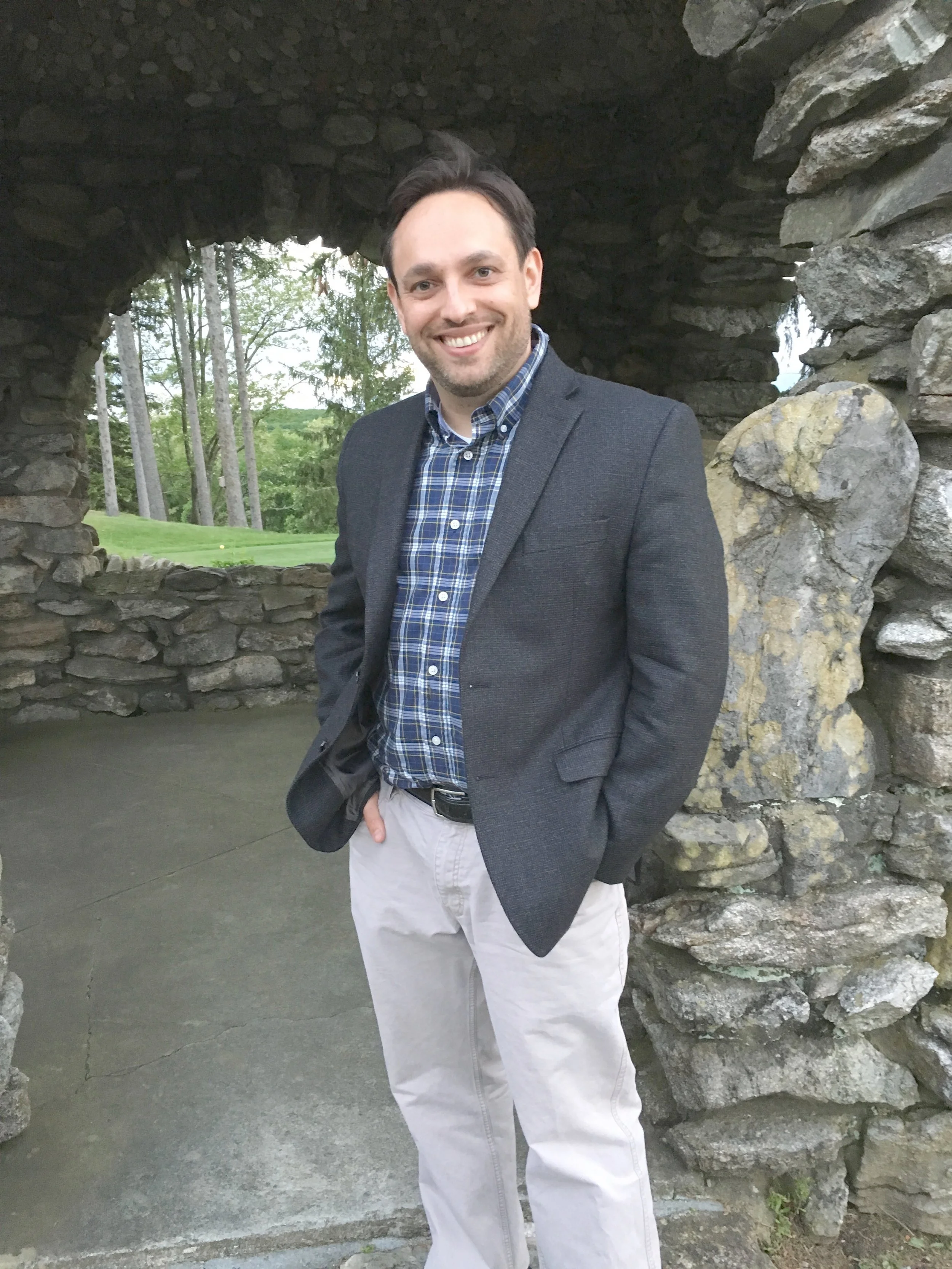
Welcome. I’m Dr. Michael Miello, a New York State licensed clinical psychologist specializing in short-term, evidence-based therapy for adults. I use Cognitive Behavioral Therapy (CBT), along with techniques from Positive Psychology and Emotional Intelligence, to help people make meaningful changes in a relatively brief period of time.
Many people come to therapy feeling pulled in different directions at once—thinking too much but not getting clarity, feeling strong emotions but not knowing how to steady them, and wanting to move forward but feeling stuck when it matters most.
It can feel like a constant tug-of-war: part of you wants clarity, part of you wants relief, and part of you wants to grow—but instead, everything feels heavy and stalled.
My approach is practical, structured, and organized around a clear system so we can focus on what matters most and make steady progress.
Most challenges people face tend to fall into one (or more) of three areas:

Clarity — When thoughts become unhelpful or overwhelming
Generalized anxiety and worry
Social anxiety
Negative thinking patterns
Phobias
Overthinking and rumination
Stress related to high achievement
Stability — When emotions feel intense or hard to manage in the moment
Panic attacks
Insomnia
Emotional intensity
Difficulty regulating mood
Distress tolerance and coping skills
Tinnitus-related distress
Direction — When you feel stuck, unmotivated, or off track
Depression and loss of motivation
Relationship difficulties
Executive and life direction challenges
Weight loss and behavior change
Creativity blocks
Finding a sense of meaning and purpose
How I Work
My approach is focused on helping you make meaningful progress in a relatively short period of time. I use Cognitive Behavioral Therapy (CBT) and related evidence-based methods, organized into a clear framework so we can focus on what matters most and make steady progress.
Together, we will develop new skills and apply them in your daily life. Rather than open-ended conversation alone, our work is focused and goal-directed.
A Clear Framework
I organize treatment around three core areas:
• Clarity — understanding your thoughts and patterns more accurately
• Stability — learning how to respond to emotions without becoming overwhelmed
• Direction — taking meaningful action, even when it’s difficult
These three skills form a practical system you can use to navigate challenges both in and outside of therapy.
What Sessions Are Like
Sessions are active and collaborative.
We will:
clarify what’s happening in your current situation
identify patterns that may be keeping you stuck
apply practical strategies and tools in real time.
You won’t just talk about problems—you’ll learn how to approach them differently.

Between Sessions
Change doesn’t happen only during the session.
You’ll often have simple, practical exercises to apply between sessions—such as:
trying out new ways of responding to situations
practicing specific coping or thinking skills
experimenting with small, meaningful behavior changes
These are designed to be realistic and directly connected to your goals.
The Goal
The goal is not just to feel better in the moment, but to build a more effective way of navigating life.
Over time, most clients find that they:
understand themselves more clearly
feel more capable of handling difficult emotions
take more consistent, meaningful action
Therapy is not always easy—but it is often deeply rewarding, and many people find the process itself meaningful.
Schedule a consultation to see if this approach is a good fit for you.